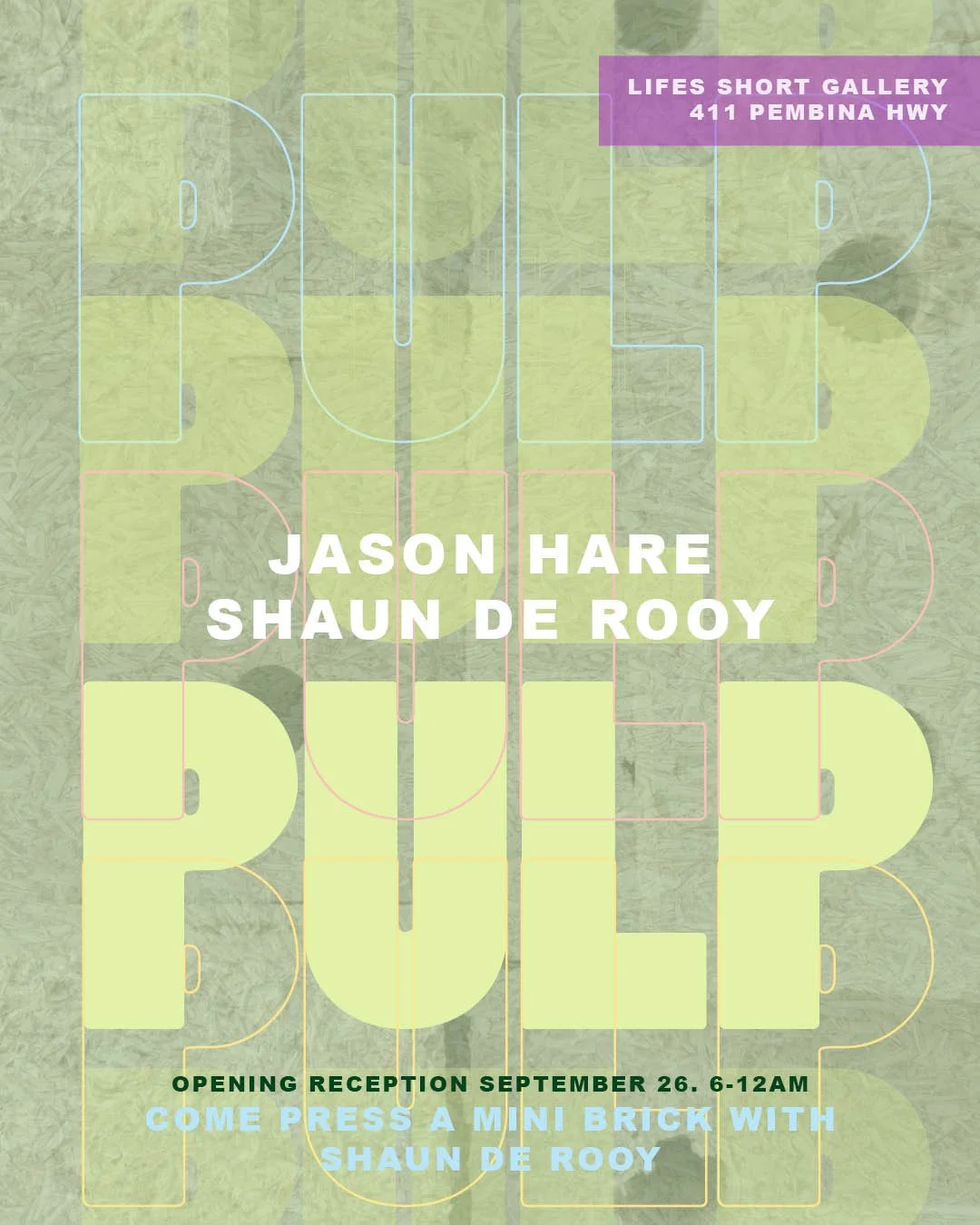
PULP
Nothing returns unchanged. Instead, every transformation folds past and present into forms that remain open, porous, and alive to further change.
The exhibition lingers in the space where uncertainty becomes generative, where the broken refuses disappearance, and where fragmentation offers not loss but another language through which to speak.
To encounter these works is to witness matter in motion—not fixed, but continually gathering itself. Here, collapse is not the opposite of creation. It is creation’s companion. Out of compression comes density; out of rupture, connection; out of pulp - possibility.
Still Life
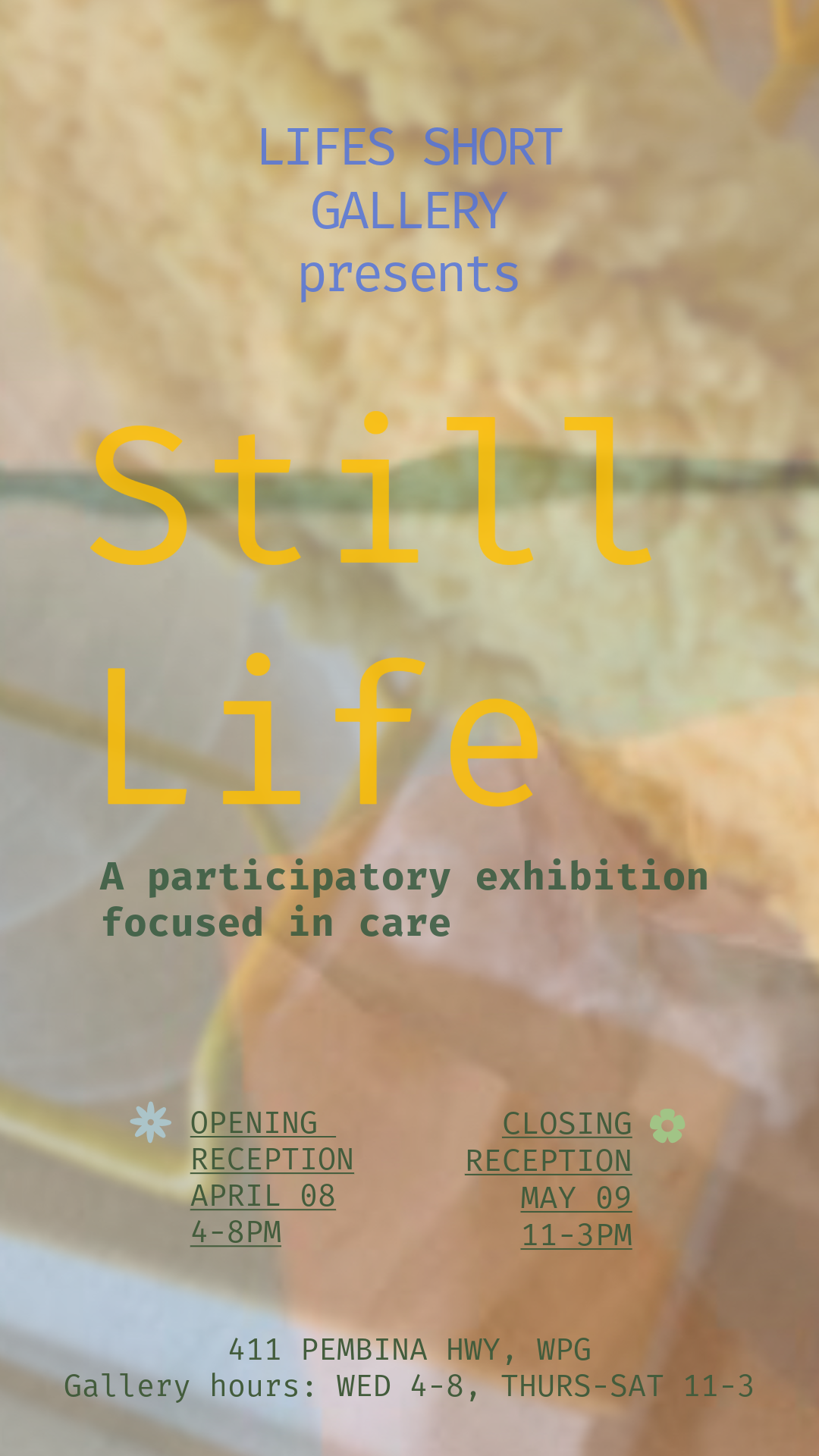
Still Life
Still life painting has long been a site of both constraint and freedom for women artists. Historically barred from academia, denied access to life-drawing classes, and discouraged from public or monumental subjects, the domestic availability of a still life aligned seamlessly with daily life. The objects of the genre— flowers, fruit, vessels and linens—were not distant symbols but familiar companions. They were the materials of sustenance and ritual- one rooted in observation, care, repetition and intimacy. Over time, women artists transformed still life into a space of emotional and symbolic richness. What appeared modest was, in fact, deliberate. Objects became stand-ins for absence, abundance, grief, desire, and resilience; re-framing perspectives and becoming a quiet form of authorship- proof that significance does not require spectacle. Past and present, the still life allows for sustained artistic practice, technical mastery, intellectual depth, all without removal from the home and any transgression of social boundaries.
However, what are the consequences of being bound to the home and often isolated from community? Are we doing enough to ensure care, connection and support life within our cultural institutions? How can parenting artists imagine their work in the gallery when the architecture and etiquette of the white box so often leaves no room for children, for noise, for need? What possibilities emerge when the structures that hold art are asked to hold life as well?
In Karen Hare’s ‘Still Life’ she pulls the domestic into public, offering up her own intentional arrangement as subject matter and the gallery as a curated environment —one that welcomes children and families, supports parenting artists, and positions care as a curatorial practice. The presented sculpture is Hare’s own representation of domestic intimacy. Drawing from historical motifs and symbolism, she reworks them through contemporary materials and colours; foregrounding the ritual, repetition, and maintenance that shape the daily experience of the artist-caregiver.
Central to the exhibition is the belief that children offer a vital model for creative thinking. Their drawings—made in response to the sculptures—are not supplementary but integral. Children approach form without hierarchy, experiment without fear, and revise instinctively. In their marks, we see an active process of editing, attention, and decision-making that mirrors the artistic practice itself. Drawing becomes a way of thinking through objects, not simply representing them.
The exhibition celebrates the integration of studio, home, and gallery. Parenting artists are not accommodated as an exception, but recognized as central contributors to cultural production. The gallery becomes a space where care is visible, time is flexible, and participation is valued.
Here, the curator assumes the role of caregiver—holding space, attending to bodies and needs, and understanding access as a form of authorship. The exhibition unfolds as a living environment rather than a fixed display, shaped by community presence and collective engagement. By inviting the public to draw, gather, and return, the exhibition reimagines sculpture not as a static object, but as a site of encounter—one that affirms domestic life as worthy of attention, and creativity as something sustained together, across generations.
There is still life.

BEACHES, CEMETERIES AND PLAYGROUNDS
BEACHES, CEMETERIES AND PLAYGROUNDS
Hamideh Behgar & Ten Yetman
Beaches, Cemeteries and Playgrounds unites artists Hamideh Behgar and Ten Yetman, whose works layer colour and form to uplift heavy worlds.
Behgar’s sculptural installation The Playground Family—featuring three major works and a multitude of smaller pieces—creates a sanctuary of growth and imagination. Her organic forms and gentle hues evoke the interdependence of humans, animals, and plants, celebrating unity and play as acts of healing.
Yetman’s neon-saturated paintings merge humor and unease, drawing on influences from Fellini films, DEVO music videos, 1980s fabrics, and Renaissance art. Her surreal creatures inhabit spaces where joy, nostalgia, and horror coexist in equal measure.
Together, Behgar and Yetman transform their distinct visual languages into radiant terrains of connection. Their works invite us to move through beauty and discomfort with curiosity— reminding us that even within the heaviest worlds, colour and composition can become instruments of survival, connection, and play.
Exhibition Dates:
Oct. 24 – Dec. 6